
In the United States, every day, 70,000 or more puppies and kittens are born, compared with about 10,000 humans.
FACTS
Pet Overpopulation & Spay/Neuter Facts
This page preserves the facts presented on Spay Oklahoma’s current live site.
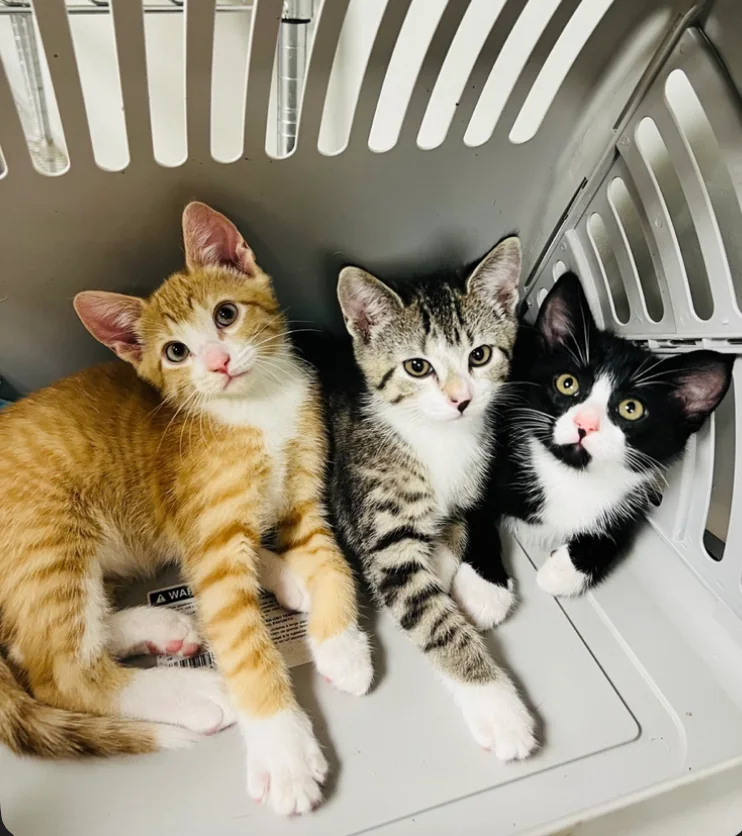
“No homes for littermates” is listed as one of the top ten reasons people relinquish cats and dogs to shelters.
The live site says the top reason cat and dog guardians give for not altering a pet is that they simply have not done it yet.
Twenty percent of cat guardians think their cat is too young to be altered, and 18% say they cannot afford spay/neuter surgery.
Twenty-one percent of dog guardians want to breed their dog, and 13% think their dog is too young to be altered.
An estimated 11 million cats and dogs are killed in shelters each year.
Tens of millions of stray and feral cats struggle outdoors; many are not altered, receive no health care, reproduce freely, and suffer illness or injury.
Approximately 61% of dogs and 75% of cats entering shelters are destroyed.
The live page again emphasizes that many stray and feral cats are unaltered, receive no health care, reproduce freely, and may suffer before dying.
Over half of dog guardians (56%) and nearly two-thirds of cat guardians (63%) rank pet overpopulation as the most important pet issue.
In a study of cat and dog relinquishment in 12 U.S. animal shelters, 30% of surrendered dogs were purebreds.
The same study indicated that 55% of surrendered dogs and 47% of surrendered cats were unaltered.
The live site estimates that U.S. taxpayers spend $2 billion each year rounding up, housing, killing, and disposing of homeless animals.
The live site states that, in the United States, an animal is euthanized every 1.5 seconds.
Spaying eliminates a female dog or cat’s heat cycle. The live site describes estrus as averaging 6–12 days in dogs, often twice yearly, and about a week three or more times yearly in cats.
Neutering a male can make territory marking less likely.
The live site says altered females are less likely to develop some cancers or pyometra, and says spaying before the first heat substantially reduces breast-cancer risk.
The live site says altered males are less likely to suffer some reproductive/prostate disorders or urinary problems, and neutering can help curb urine-marking behavior even in older dogs.